Galvanized Wash Tub Planter (With Geraniums + Hostas)
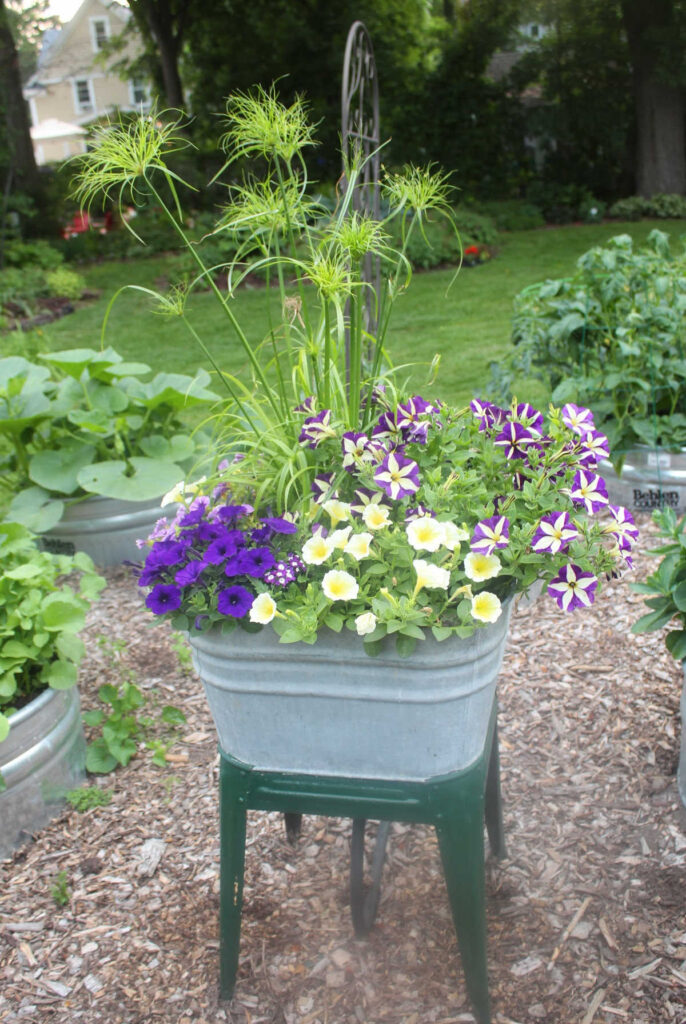
Galvanized wash tubs make surprisingly good planters. They are sturdy, large enough for real root growth, and they have a classic farmhouse look that works beautifully on porches, patios, and garden spaces.
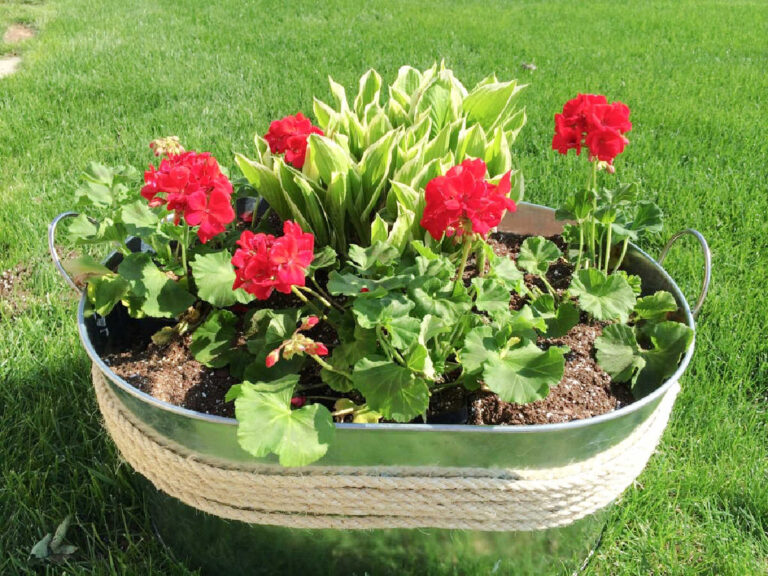
I used an extra large galvanized tub to create this container garden with bright red geraniums and hostas from my yard. The hostas soften the metal edges and the geraniums add strong color that lasts all summer.
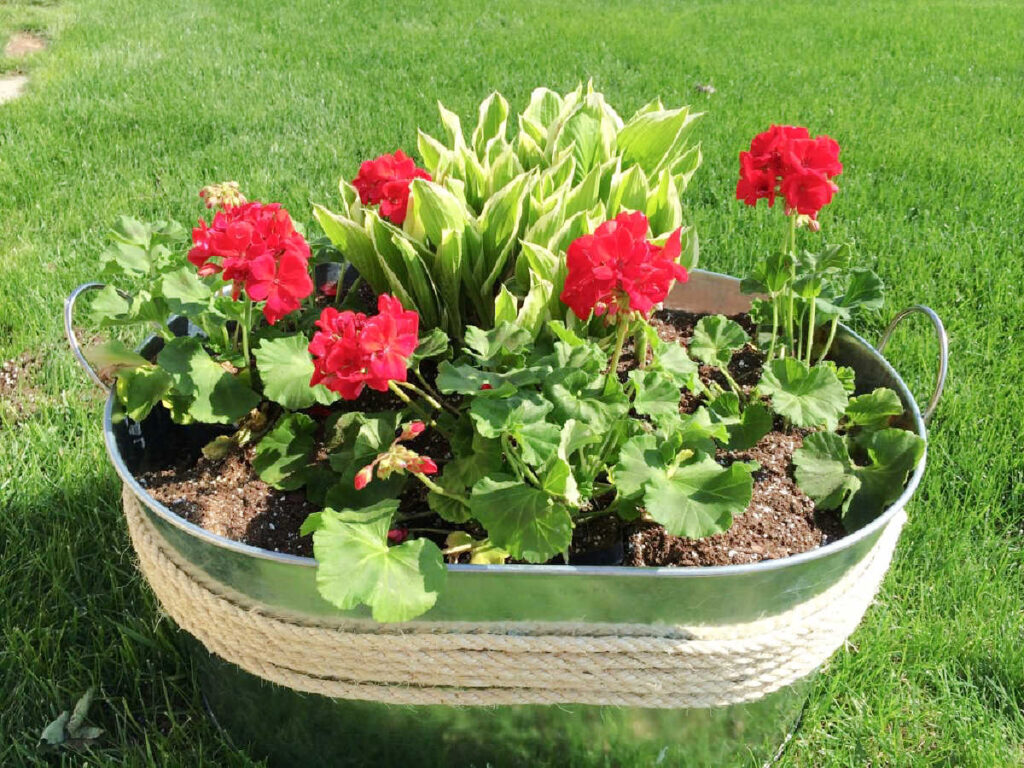
If you have ever wondered whether you can plant flowers in a galvanized tub, the answer is yes. The key is adding drainage and filling the container correctly so plants thrive. This tutorial shows exactly how I turned a simple galvanized wash tub into a planter and what I planted in it.
Need some planter ideas and inspiration? These are two of my popular posts –
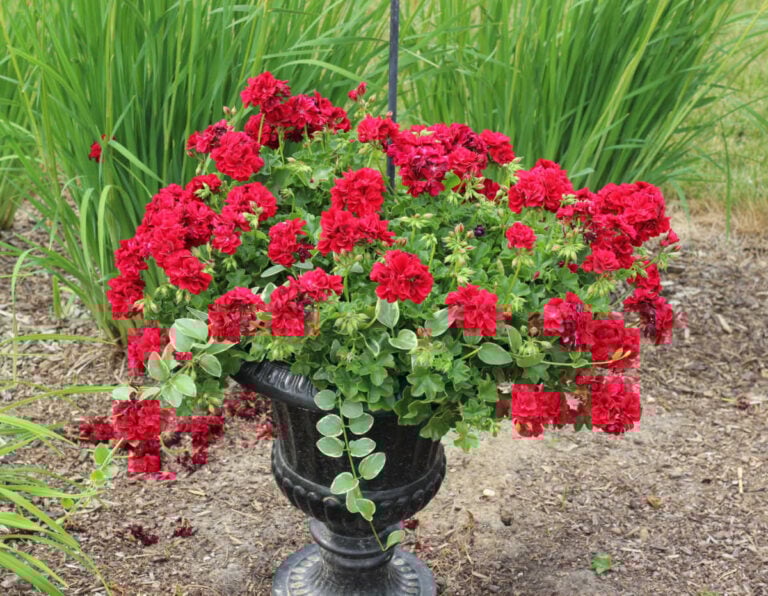
Red Geranium Planter Ideas
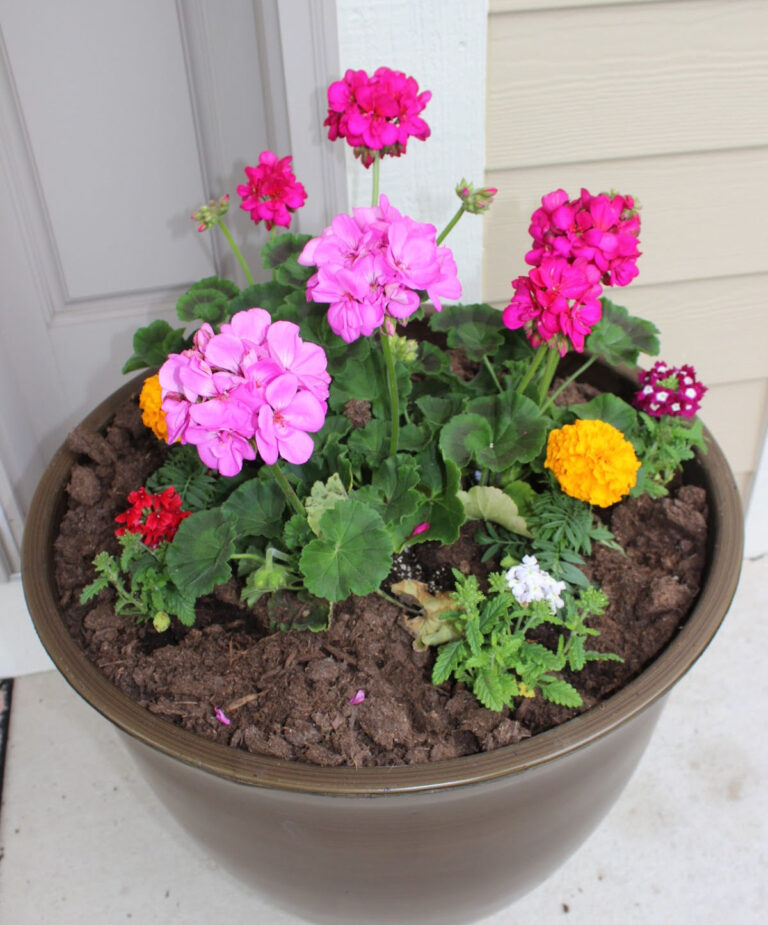
Front Porch Planter Ideas
Why I Love Galvanized Tub Planters
Large galvanized tubs create instant impact in a garden. They look substantial and decorative, but they are often much less expensive than oversized ceramic planters.
Another advantage is size. Many galvanized tubs are deep and wide enough to hold multiple plants, making them perfect for mixed container gardens.
They also work well for gardeners who enjoy repurposing and reusing materials. Old wash tubs, farm tubs, and vintage metal containers can easily be turned into planters with a few simple adjustments.
How to use a Metal Tub as a Planter?
Yes, metal tubs work well as planters as long as they have proper drainage.
Most wash tubs and metal containers are not sold with drainage holes, so you will need to drill several holes in the bottom before planting.
Drainage is important because excess water sitting in the bottom of the tub can cause plant roots to rot.
Once drainage holes are added, galvanized tubs behave just like any other large container planter.
How to Add Drainage
Adding drainage holes is the most important step when planting flowers in a galvanized tub.
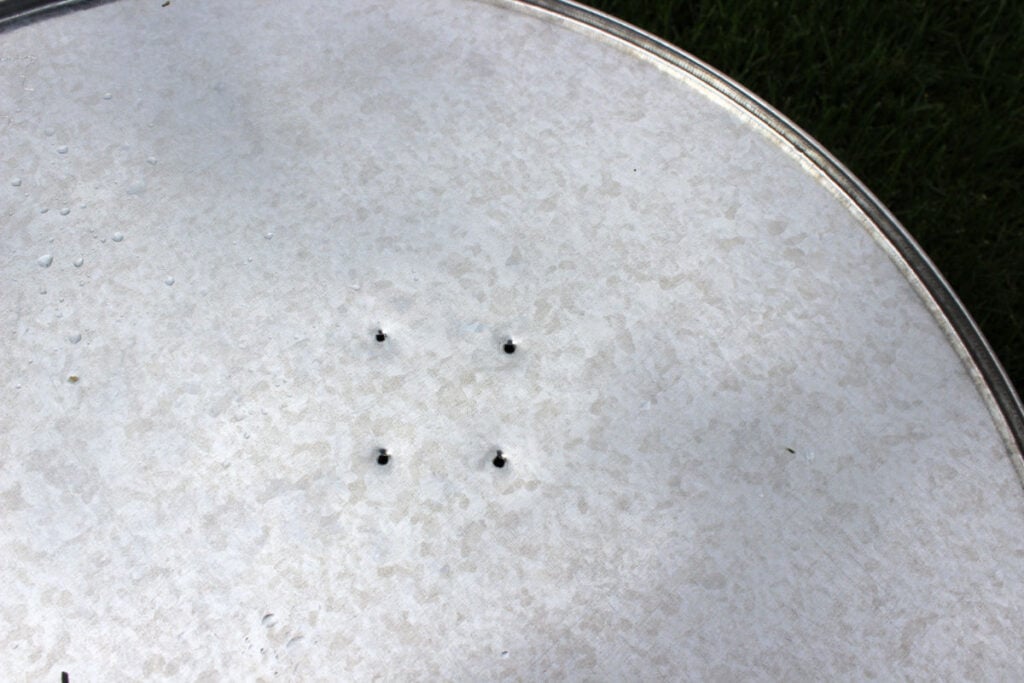
Turn the tub upside down and drill several holes across the bottom. I usually add 5–7 holes for a large planter.
A standard metal drill bit works well for this project.
If your tub will sit on a porch or patio, consider placing it on small planter feet, bricks, or wood blocks so water can drain freely underneath.
This small step helps prevent water from pooling under the container.
What to Put in the Bottom of a Large Planter
Extra large galvanized tubs can hold a lot of soil, which makes them heavy and expensive to fill.
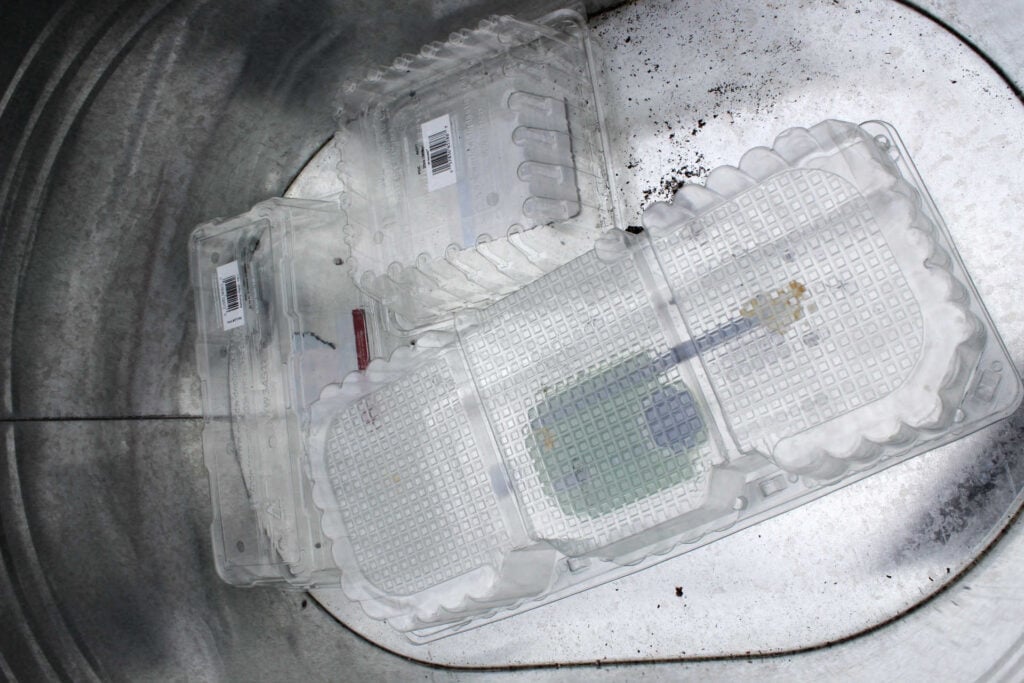
To reduce the amount of potting soil needed, you can add lightweight filler to the bottom of the container.
Some good options include:
- Empty plastic pots turned upside down
- Crushed plastic bottles
- Packing paper or cardboard
- Pinecones or large pieces of bark
These materials take up space without adding much weight.
How to Plant Flowers in a Galvanized Wash Tub
Planting in a galvanized tub is similar to planting any large container.
First, fill the tub with high quality potting mix until it is about two-thirds full.
Place your plants in the container while they are still in their nursery pots to experiment with spacing and arrangement.
For this planter I used:
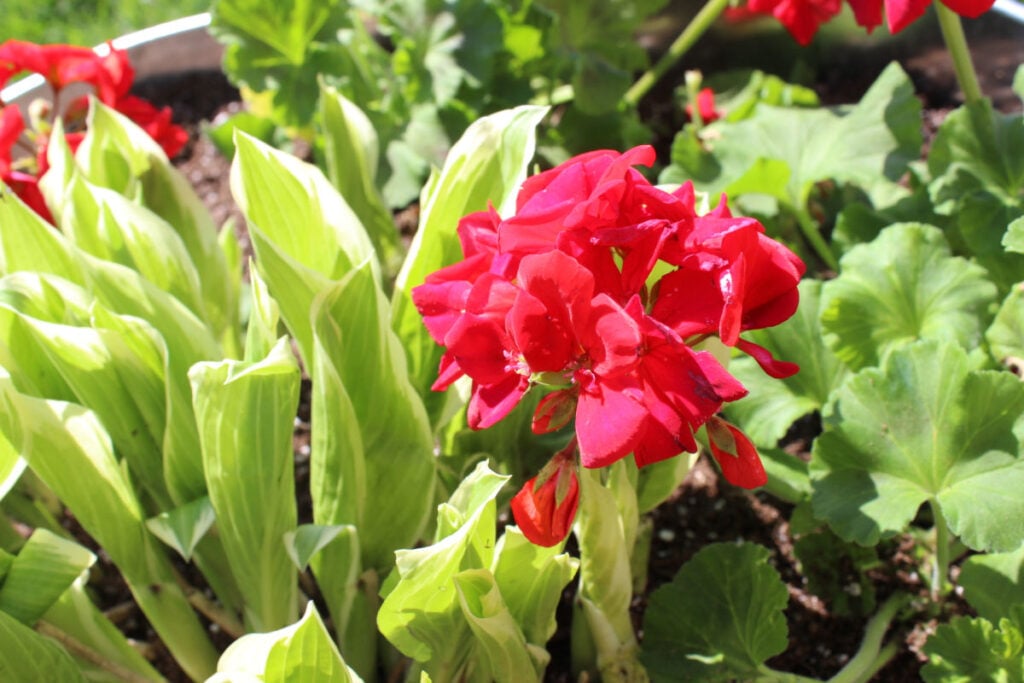
- Red geraniums for height and color
- Hostas from my garden for texture and foliage
Once you are happy with the layout, remove the plants from their pots and plant them at the same depth they were growing previously.
Fill around the plants with additional potting soil and gently press it into place.
Water thoroughly after planting.
Geranium and Hosta Container Combination
This combination works particularly well in galvanized containers.
Geraniums provide strong color and bloom for most of the summer.
Hostas add lush green foliage and soften the edges of the metal tub.
The mix of flowers and foliage creates a container that looks full and balanced.
Using hostas from the yard is also a great way to reuse plants you already have.
Where Galvanized Tub Planters Look Best
These planters are versatile and can be used in many garden spaces.
They look especially nice:
- On a front porch or entryway
- Beside a garage or shed
- Near a patio seating area
- Along garden pathways
- As a focal point in flower beds
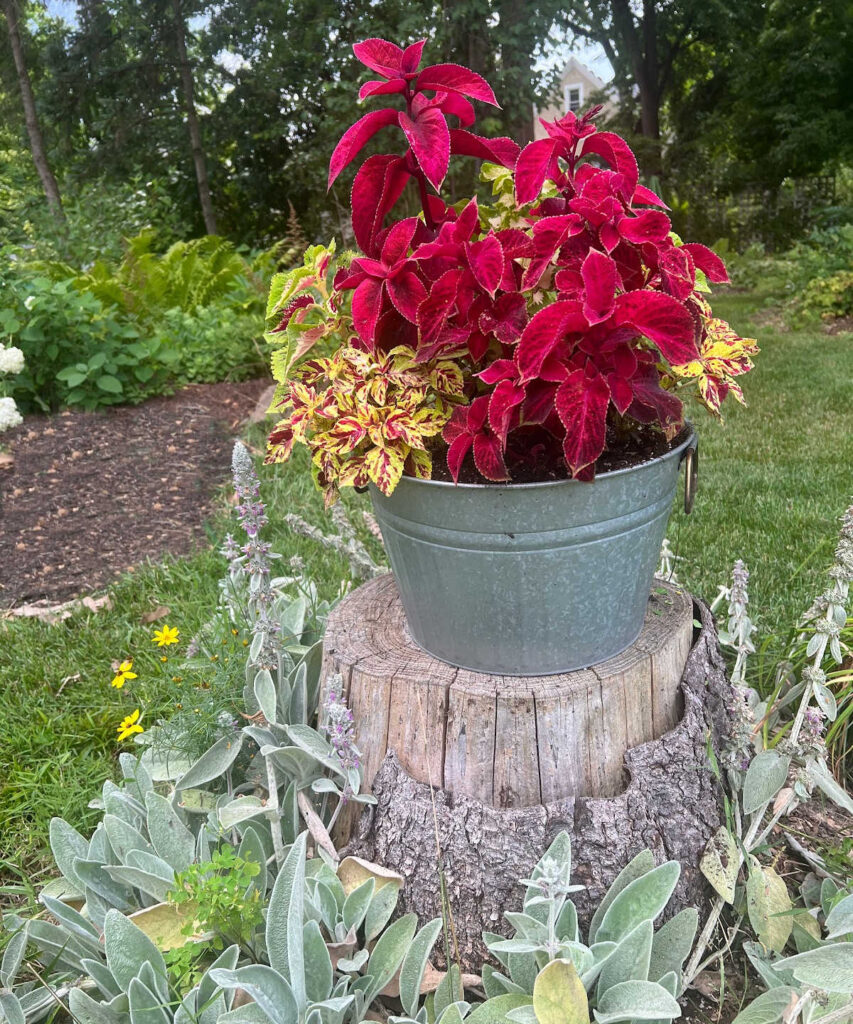
The metal finish pairs nicely with cottage gardens, farmhouse landscapes, and informal garden styles.
Do Metal Planters Get Too Hot?
Metal containers can warm up faster than ceramic or wood planters in full sun.
If you garden in a hot climate, placing the planter where it receives morning sun and afternoon shade can help prevent overheating.
In cooler northern climates, like here in Wisconsin, galvanized tubs typically perform very well for summer flowers.
Galvanized Tub Planter Ideas
Once you start using galvanized tubs as planters, it is easy to find many creative ways to use them in the garden.
Some ideas include:
- Herb gardens
- Mixed annual flower planters
- Vegetable containers
- Small patio tomato gardens
- Succulent planters
The large size of many metal tubs gives plants plenty of room to grow.
Frequently Asked Questions
Yes, galvanized containers are widely used for gardening. Once drainage holes are added and quality potting soil is used, they function just like other metal planters.
Yes. Drainage holes are essential so excess water can escape. Without them, plants can develop root rot.
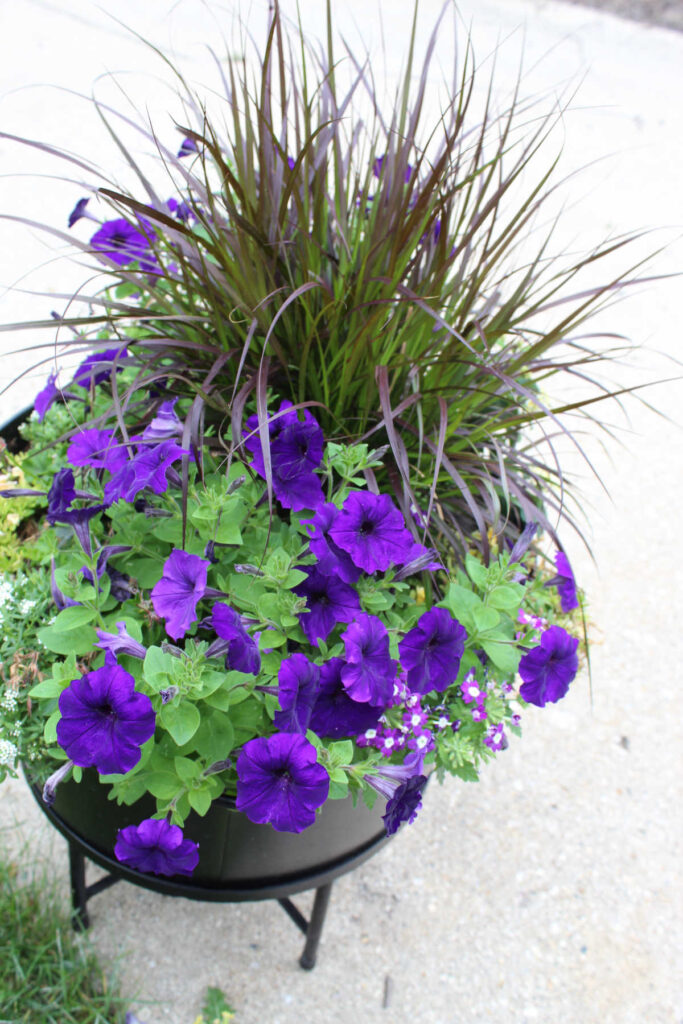
Annual flowers, herbs, vegetables, and mixed container gardens all work well. Large tubs are especially good for combinations like geraniums, petunias, hostas, and ornamental grasses.
With a few drainage holes and the right potting soil, these tubs become durable planters that can hold flowers, herbs, or vegetables.
I especially love using them for mixed containers like this geranium and hosta planter, which combines bright color with lush foliage.